
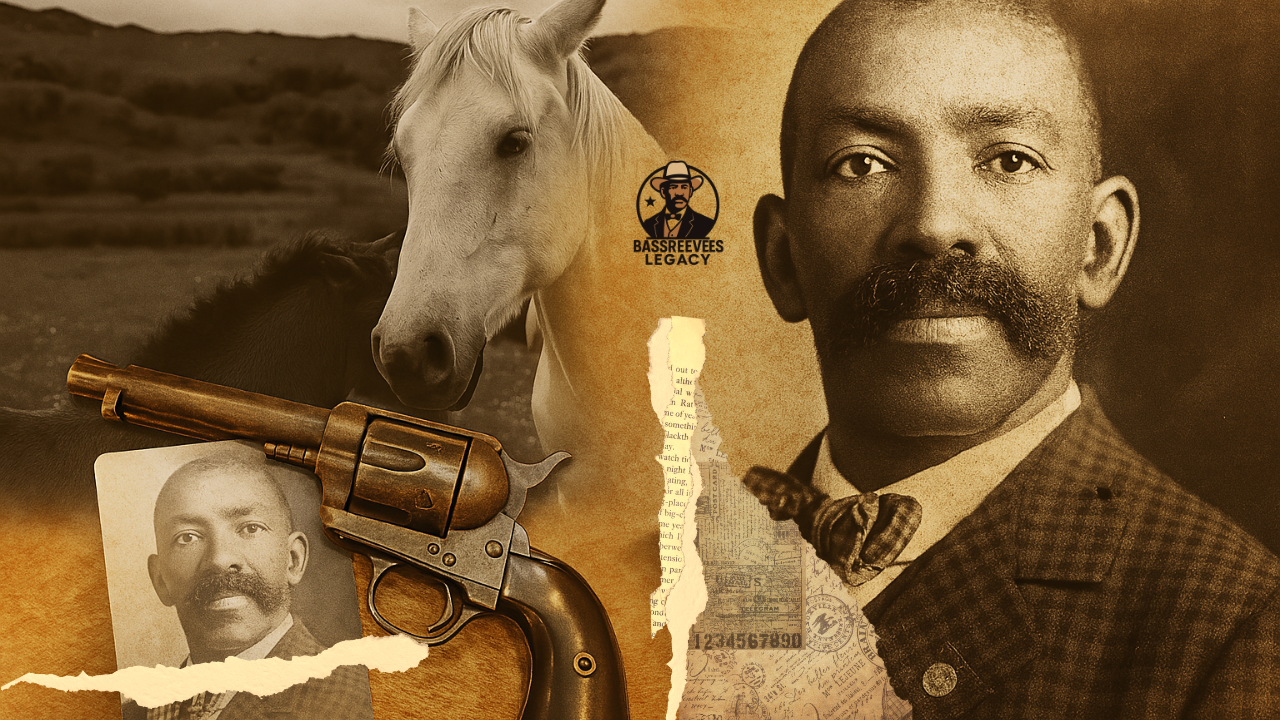
Who Was the Real Lone Ranger?
For generations, the Lone Ranger has captured the imagination of Americans a masked vigilante riding a white horse, bringing justice to the Wild West. But few realize that the story may have real-life roots and the man behind it might not have worn a mask at all.
Bass Reeves, one of America’s first Black U.S. Deputy Marshals, arrested over 3,000 outlaws during his lifetime. Some historians now suggest his life story could have been the true inspiration behind the legendary Lone Ranger. Let’s break down why.
Who Was Bass Reeves?
Born into slavery in 1838, Bass Reeves escaped during the Civil War, found refuge with Native American tribes, and eventually became a Deputy U.S. Marshal in 1875. Operating mostly in the Indian Territory (now Oklahoma), he was known for his expert marksmanship, clever disguises, unshakeable integrity, and fierce commitment to justice.
Bass Reeves was one of the most effective lawmen in American history and one of the most overlooked.
5 Reasons Why Bass Reeves Could Be the Real Lone Ranger
1. A Legendary Lawman with a Mysterious Edge
Like the Lone Ranger, Bass Reeves was known for riding alone or with a Native American tracker. He often operated undercover, using disguises and deception to track fugitives.
2. The Signature White Horse
While the Lone Ranger famously rode Silver, Bass Reeves was also known to ride a white stallion during his time as a lawman. Coincidence? Maybe. But it’s a striking visual similarity.
3. A Master of Disguise
Bass Reeves regularly wore disguises to apprehend dangerous outlaws, sometimes posing as a cowboy, farmer, or even a preacher. The Lone Ranger’s mask is iconic, but Bass Reeves’ real-life ability to transform himself was even more impressive.
4. The Use of Calling Cards
After capturing outlaws, Bass Reeves would often leave a silver coin or other item to let others know justice had been served. Sound familiar? The Lone Ranger famously left behind silver bullets as his trademark.
5. A Code of Honor
Both figures lived by a strong moral code. Bass Reeves never shot a man unless absolutely necessary and was admired for his honesty. Even the Lone Ranger’s code of conduct was about fairness and justice values Bass Reeves embodied throughout his career.
Why Isn’t Bass Reeves a Household Name?
Despite his extraordinary accomplishments, Bass Reeves’ story has largely been ignored in mainstream history and media. As a Black lawman in post-Civil War America, his contributions were downplayed or omitted entirely.
But that’s changing. From books to TV series like Lawmen: Bass Reeves, the world is finally beginning to recognize the man behind the myth.
The Legacy Lives On
Whether or not Bass Reeves directly inspired the Lone Ranger, his story deserves to be told, celebrated, and taught. He represents a deeper, richer history of the American West one where justice wasn’t just a whitewashed fantasy, but a hard-won reality fought for by heroes of all backgrounds.
Unmasking the Truth
So, was the Lone Ranger based on Bass Reeves? The evidence is compelling, even if the creators of the character never publicly acknowledged it.
What we do know is that Bass Reeves was a hero fearless, brilliant, and legendary in his own right.
It’s time his name becomes just as recognizable as the one behind the mask.
✅ Want more stories about America’s hidden heroes?
Subscribe to the Bass Reeves Legacy Project newsletter or explore our educational resources to bring his story into classrooms and communities.